Food
- General Cuisine: Austrian cuisine commonly includes meat, dairy, bread, and potatoes. There are generally no universal national dietary restrictions.
- Religious or Cultural Practices: Some individuals may avoid meat during Catholic observances such as Ash Wednesday or Good Friday during Lent. A smaller portion of the population is Muslim and may observe fasting during Ramadan.
- Dietary Preferences: Vegetarian and vegan diets are becoming more common, particularly in cities. Because preferences vary by individual, asking guests about dietary needs is helpful.
- Meal Atmosphere: Meals are often social occasions where people remain at the table to talk after finishing food. Dinner is usually unhurried.
- Table Manners: Table manners tend to be moderately formal compared with some other cultures.
- Common Dishes: Well-known Austrian foods include Wiener Schnitzel (breaded veal or pork cutlet), goulash, knödel (dumplings), and desserts such as apfelstrudel and Sachertorte. Pastries and coffee are an important part of Austrian food culture.
- Grocery Shopping Differences: Austrian supermarkets are typically smaller, and people often shop more frequently for fresh items.
- Host Tip: American grocery stores may feel large or overwhelming to Austrian visitors. Pointing out sections for produce, bread, and dairy or highlighting foods with simple ingredients can help guests feel more comfortable.
- Dietary Restrictions — Hosting Guests from Austria
- Dietary habits are generally flexible — Austrian guests are used to a mix of traditional Central European food and international cuisine, so variety is appreciated.
- Meat is common and often central — dishes with beef, pork, chicken, and sausages are widely eaten, though individual preferences vary.
- Pork is widely accepted — there are typically no cultural restrictions, but some guests may still avoid it personally.
- Vegetarian and vegan diets are increasingly common — especially in urban areas, so it’s important to ask rather than assume.
- Spice levels are usually mild — Austrian cuisine tends to be more savory and less spicy, so very hot or chili-heavy dishes may be unfamiliar.
- Dairy and gluten sensitivities are relatively common — options or clear ingredient labeling is appreciated.
- Alcohol is generally accepted in social dining, though not all guests may choose to drink.
- Flexibility and clear communication about ingredients are valued to ensure comfort.
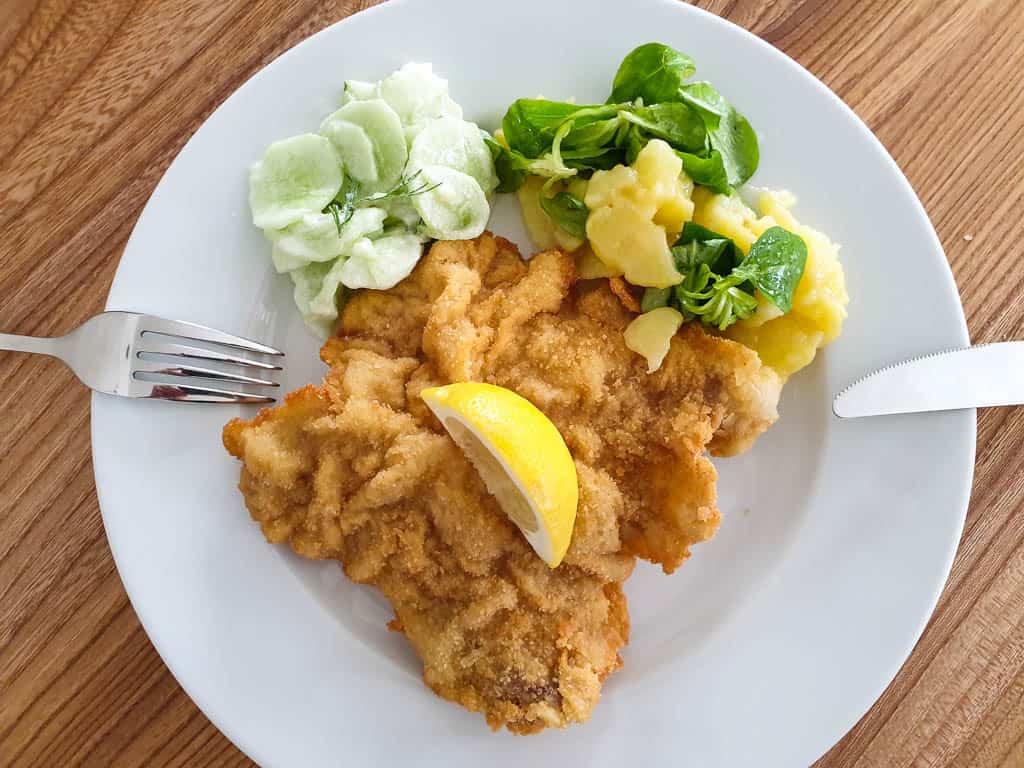
Wiener Schnitzel (VEE-nur SHNIT-suhl)