Food
- When hosting Tunisian guests, prioritize warm hospitality, patience, and a generous approach to sharing food.
- Meals are typically social and relaxed — guests may expect time to talk before eating and a calm pace throughout the meal.
- Food is often served family-style, and offering a variety of dishes to share is appreciated.
- It is common for guests to politely refuse food at first, so offering again without pressure is normal and respectful.
- Conversation during meals may be friendly and expressive, but can also stay moderate depending on the guests’ preference.
- Guests are usually served first, and hospitality is shown through attentiveness rather than formality.
- Overall, generosity, flexibility, and a relaxed dining pace are key to making Tunisian guests feel comfortable.
- Halal is the key requirement — most Tunisian guests follow halal dietary rules, so meat should be certified or avoided if unsure.
- Pork is not eaten — it should be fully excluded from ingredients, cooking fats, and mixed dishes.
- Alcohol is often avoided — many guests do not drink, so offering non-alcoholic options is the safest approach.
- Spice levels vary — Tunisian cuisine is flavorful and can be spicy (especially with harissa), but guests may prefer milder versions depending on personal taste.
- Seafood, couscous, grilled meats, and vegetable-based dishes are generally well received and familiar.
- Vegetarian or special diets are uncommon but present — always confirm individually rather than assume.
- As with most settings, asking directly about preferences is appreciated and ensures comfort.
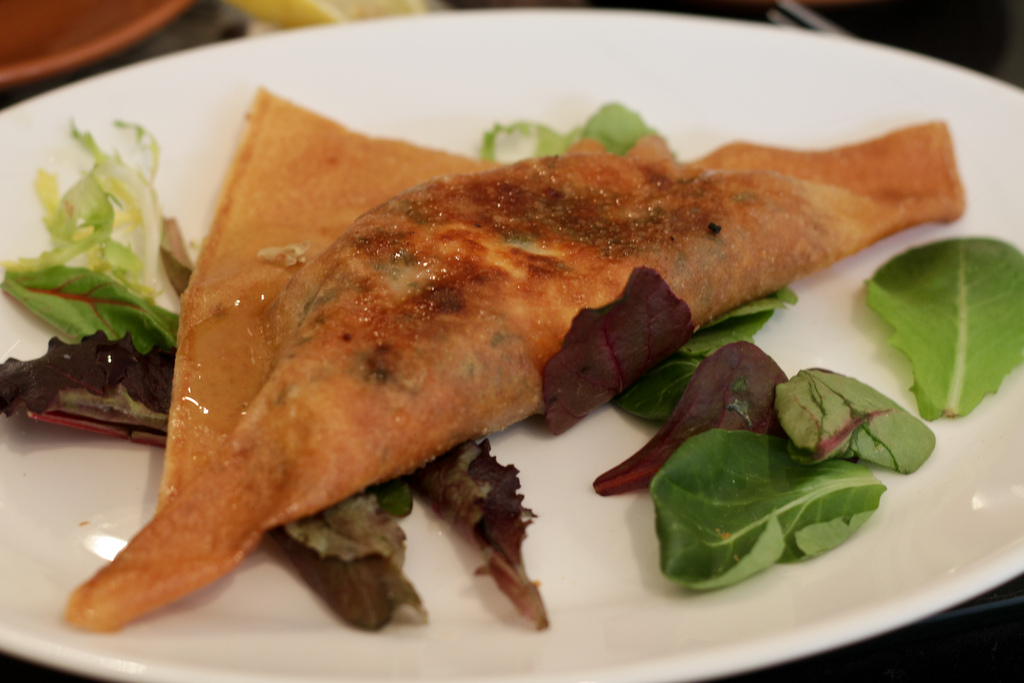
Brik (brick)