Food
- Meals in Curaçao are social and relaxed — dining is about connection, conversation, and enjoying time together rather than rushing.
- Dinner timing is flexible, though often later in the evening in social settings. Guests may expect a calm start before eating begins.
- Sharing food is common — family-style serving and offering a variety of dishes is a welcoming gesture.
- Conversation is central — meals are lively and can continue long after eating is finished.
- Drinks and hospitality matter — offering beverages early and refilling casually is appreciated.
- Pace should stay unhurried — guests generally prefer not to feel rushed while eating.
- A simple, clean table setup is valued, with warmth and comfort more important than formality.
- Seafood and fresh flavors are widely appreciated — fish, shrimp, and locally inspired Caribbean dishes are often well received and feel familiar to many guests.
- Not overly spicy — while some seasoning is used, most traditional home-style cooking is mild to moderately seasoned rather than intensely hot.
- Generally safe choices: grilled or stewed meats, rice and beans, fried plantains, fresh salads, and simple Caribbean-style seafood dishes are widely accepted and familiar.
- Ask individually about restrictions — dietary needs vary, especially with influences from Dutch, Caribbean, Latin, and international food cultures present on the island.
- Religious dietary rules may apply — Curaçao has Christian, Jewish, Hindu, and Muslim communities, so halal, kosher, or meat-free preferences may be relevant for some guests.
- Dairy and gluten considerations are common as elsewhere — it’s best to check for allergies or intolerances rather than assume.
- Flexibility matters most — guests are generally used to diverse food environments and appreciate when hosts simply ask and adapt.
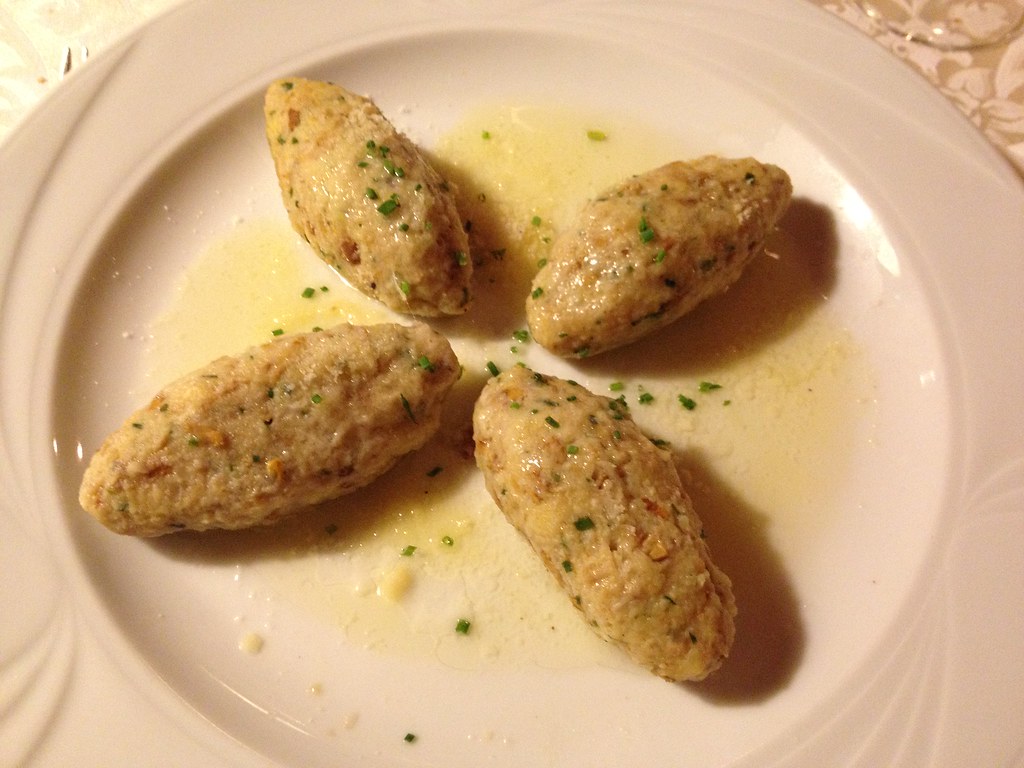
Funchi (FOON-chee).